• Skip to main content
  • Skip to primary sidebar

  • Home
  • About
  • Contact

Tax Planning

Why Tax Season Is the Worst Time to “Start” Tax Planning

February 5, 2026 by Steve Madsen

Written by Steve Madsen, CPA — licensed since 1993.

Business owner reviewing finances early in the year, illustrating why tax season is the worst time to start tax planning
Tax season focuses on reporting the past — proactive tax planning happens before deadlines arrive.

Tax planning timing matters more than most business owners realize. Tax season is when many people start thinking about strategy, but it’s also when most tax-saving opportunities are already gone.

By the time January through April arrives, the decisions that could have made the biggest difference for the prior year have already been locked in. This is why proactive planning is a core part of our business tax planning and advisory services, not something that happens only during filing season.

For Utah-based business owners, proactive tax planning often affects both federal and state tax outcomes, making timing and structure especially important.

Why Doesn’t Tax Season Allow Real Planning?

During this period, the focus shifts to reporting what already happened.

Once the calendar year ends, your CPA’s role shifts from strategic advisor to compliance specialist. The work becomes about accurately documenting the past, not shaping the future.

During tax season, the focus is on:

  • Accurately reporting income and expenses
  • Filing required federal and state tax returns
  • Applying any elections that are still available
  • Ensuring IRS and state compliance

At that point, your tax return is a historical document, not a planning tool.

What Tax Decisions Are Usually Locked In After December 31?

Most high-impact tax decisions must be made before the year ends.

After December 31, many of the strategies that could significantly reduce your taxes are no longer on the table.

Common examples include:

  • S-Corporation salary levels
  • Timing of income and expenses
  • Bonus depreciation and Section 179 elections
  • Retirement contribution structure
  • Accountable plan reimbursements
  • Health insurance handling for owners

Because of this, waiting until tax season often means reviewing missed opportunities rather than creating new ones.

What Is January Actually Good For?

January is ideal for reviewing results and preparing for proactive planning — not fixing the past.

While tax season limits what you can change about the prior year, it provides valuable insight for the year ahead.

January is best used to:

  • Review the prior year objectively
  • Identify planning opportunities that were missed
  • Set payroll and entity strategy correctly for the new year
  • Adjust estimates before issues compound
  • Build a proactive tax plan early

Smart business owners use January to prepare for planning, not to undo last year.

This is why proactive tax planning timing early in the year makes such a difference.

What’s the Difference Between Tax Filing Season and Tax Planning Season?

Tax filing and tax planning serve very different purposes.

Filing Season

  • Looks backward
  • Emphasizes accuracy and compliance
  • Offers limited ability to change results
  • Often results in surprise balances due

Planning Season

  • Looks forward
  • Shapes outcomes intentionally
  • Happens throughout the year
  • Improves cash flow and predictability

The biggest tax savings are created before tax season — not during it.

Who Should Be Thinking About Tax Planning Early?

Tax planning matters most when your situation involves decisions, not just reporting.

January planning is especially valuable for:

  • S-Corporation owners
  • Business owners with growing profits
  • Service-based businesses and consultants
  • Real estate investors
  • Anyone earning $150,000 or more

If your tax situation includes strategy, structure, or timing, waiting until filing season puts you behind.

Need help with tax preparation this season? Filing is easier when it supports a bigger plan.

What Do Proactive Business Owners Do Differently?

Proactive business owners treat tax planning as a process, not an annual event.

Instead of waiting for a finished tax return, they:

  • Review income projections early
  • Set reasonable S-Corp salaries intentionally
  • Coordinate retirement contributions with payroll
  • Plan deductions throughout the year
  • Adjust estimates before surprises arise

These decisions tie directly into ongoing tax planning, not just tax preparation.

The Bottom Line

Tax planning timing determines whether your tax return reflects strategy or missed opportunity.

If tax season is the first time strategy comes up, opportunities have already been missed. The best outcomes happen when planning starts early and continues throughout the year.

For many Utah-based business owners, waiting until filing season often leads to repeat surprises year after year.

Frequently Asked Questions

Why isn’t tax season the best time to start tax planning?

Because most high-impact tax decisions must be made before the year ends. Tax season is primarily about reporting and compliance, not creating new savings opportunities.

Can a CPA still help reduce taxes during tax season?

A CPA can ensure accuracy and apply limited elections, but major strategies are usually no longer available. Most meaningful savings come from decisions made earlier.

Is January too late to do tax planning?

No, January is ideal for reviewing results and planning for the current year. It’s just too late to change many outcomes for the prior year.

Do small business owners really need year-round tax planning?

Yes, especially if income fluctuates or decisions affect payroll, deductions, or cash flow. One-time planning rarely produces optimal results.

What’s the difference between tax preparation and tax planning?

Tax preparation reports what happened, while tax planning shapes what happens next. Both are important, but they serve different roles.

How Madsen and Company Can Help

At Madsen and Company, we help business owners move beyond reactive tax season thinking and into proactive, year-round tax strategy.

That includes:

  • Strategic tax planning throughout the year
  • Coordinated business and personal tax preparation
  • Clear guidance before deadlines pass

Need tax preparation this season? We ensure your returns are accurate, compliant, and aligned with your overall strategy.

Want to reduce future tax surprises? A proactive tax planning review can help you start the year intentionally — not reactively.

👉 Schedule a Proactive Tax Planning Review

Filed Under: Business Tax, Tax Planning Tagged With: proactive tax planning, Small Business Tax Strategy, small business taxes, South Jordan CPA, tax planning

Small Business Tax Planning: Strategies to Reduce Taxes Legally

January 28, 2026 by Steve Madsen

Written by Steve Madsen, CPA — licensed since 1993.

Small business tax planning strategies to reduce taxes legally for business owners and real estate investors
Proactive tax planning helps small business owners lower taxes, improve cash flow, and avoid filing-season surprises.

Most business owners focus entirely on tax filing. However, the real savings are not found in April. They are created through strategic small business tax planning done well before the year ends.

CPA Insight:
The biggest tax savings for small business owners are created by decisions made during the year, not by what shows up on a tax return.

If you own a small business, an S-Corporation, or rental property, proactive tax planning is the difference between writing a large check to the IRS and keeping more of your cash to reinvest in your business and future.


Tax Planning vs. Tax Preparation: What’s the Difference?

It is a common misconception that tax planning and tax preparation are the same thing.

Tax preparation is historical. It reports what has already happened.

By the time you are “doing your taxes,” most opportunities to change the outcome are gone.

CPA Insight:
Tax preparation records results. Tax planning influences them. Understanding this difference is the foundation of effective small business tax strategy.

By contrast, tax planning is forward-looking. It focuses on shaping financial decisions today to legally reduce what you owe tomorrow.

As a result, effective planning allows you to:

  • Legally lower taxable income through smart deductions
  • Improve cash flow so you are not hit with an unexpected bill
  • Align business growth with current tax strategies
  • Reduce filing-season surprises

Learn how tax preparation fits into the process and how proactive planning works


Optimize Your Business Structure

First, your business structure is the foundation of your tax bill. Whether you operate as a sole proprietor, LLC, partnership, or S-Corporation affects how much tax you pay.

For many profitable businesses, the S-Corporation remains a powerful tool for reducing self-employment taxes. By paying a reasonable salary and taking the remaining profit as distributions, many owners can save thousands.

However, this strategy requires proper payroll compliance. If your business income has increased, it may be time to review whether your current structure still makes sense.

CPA Insight:
An outdated business structure is one of the most common reasons profitable small businesses overpay taxes year after year.

Learn more about S-Corporation planning

Strategic Timing of Income & Expenses

Next, the timing of income and expenses can be just as important as how much you earn.

Common strategies include:

  • Accelerating expenses before year-end
  • Deferring income into the next tax year when appropriate
  • Making retirement contributions before December 31
  • Planning equipment purchases for depreciation benefits

These decisions must be made before the year ends to be effective.

For many Utah-based small business owners, these planning strategies also affect state tax estimates and cash-flow planning, making early coordination especially important.

Meanwhile, large purchases such as vehicles, equipment, and technology should not be made without considering their tax impact.

Leverage Depreciation & Asset Planning

Strategic planning allows you to:

  • Use Section 179 and bonus depreciation when appropriate
  • Match deductions to higher-income years
  • Avoid wasting deductions in low-profit years

Depreciation is not just an accounting concept. It is a powerful tax planning tool when used intentionally.

Maximize Retirement & Health Benefits

Furthermore, planning is not only about business deductions. It also plays a major role in personal wealth building.

Common strategies include:

  • Solo 401(k) or SEP IRA contributions
  • Health Savings Accounts (HSAs)
  • Owner-only retirement plans for S-Corporation owners

These tools reduce taxable income while helping you prepare for the future.

Likewise, real estate investors face a separate set of planning considerations.

Real Estate Tax Strategy

Real estate investors operate under a different set of tax rules than operating businesses.

Key planning areas include:

  • Cost segregation and depreciation strategies
  • Repairs versus improvements classification
  • Short-term rental tax treatment
  • Passive activity rules
  • Timing of property sales

With proper planning, rental income can be taxed far more efficiently.

Learn more about real estate tax planning strategies for investors

For this reason, waiting until tax season often leads to missed opportunities.

These strategies only deliver meaningful savings when implemented before year-end, not during tax preparation.

CPA Insight:
Most small business tax strategies fail not because they’re wrong, but because they’re applied too late to matter.


Why Waiting Until April Costs You Money

By the time tax season arrives, your CPA becomes a historian.

They can:

  • Report what happened
  • Apply limited remaining elections
  • Ensure compliance

But they cannot undo past decisions. The best tax results come from decisions made during the year, not during filing season.

CPA Insight:
Once the year ends, most tax-saving opportunities are locked in. At that point, even good advice often comes too late.

The Bottom Line: You work too hard for your money to give away more than is legally required.


Frequently Asked Questions

Below are answers to common questions business owners have about tax planning.

How often should I do tax planning?

Most growing businesses benefit from a mid-year review and a final fourth-quarter strategy session.

Is this only for large corporations?

No. Small businesses often see the greatest percentage savings because they have more flexibility in how they pay owners and time expenses.

Can tax planning reduce my audit risk?

Yes. High-quality planning improves documentation, consistency, and reporting accuracy, which reduces audit risk.


Related articles

Specific tax planning strategies for S-Corporation owners

How S-Corp owners can reduce taxes proactively

How Much Should a Small Business Owner Pay Themselves?
Anchor: how owner compensation affects taxes

How entity choice impacts your tax strategy

Using equipment purchases as part of a tax plan

Take Control of Your Tax Future

Stop guessing what your tax bill will be.

Without proactive planning, even well-intentioned small business owners often implement these strategies too late to fully benefit from them.

Madsen and Company provides specialized tax planning for S-Corp owners, real estate investors, and small businesses nationwide.

Schedule A Proactive Tax Planning Review
Learn More About Our Business Tax Service

Filed Under: Small Business, Tax Planning, Uncategorized Tagged With: proactive tax planning, real estate tax planning, S-Corporation, Small Business Tax Strategy, South Jordan CPA, tax planning

Business Tax Preparation vs Tax Planning: What’s the Difference (and Why It Costs You Money)

January 24, 2026 by Steve Madsen

Written by Steve Madsen, CPA — licensed since 1993.

CPA explaining the difference between tax preparation and tax planning to a small business owner
Understanding the difference between tax preparation and tax planning helps business owners make smarter financial decisions.

Most business owners assume tax preparation and tax planning are the same thing. In reality, they serve very different purposes — and confusing the two is one of the main reasons small business owners overpay in taxes.

CPA Insight:
Tax preparation reports what already happened. Tax planning determines what happens next.

This distinction is the foundation of proactive tax planning for business owners, not something that can be fixed once filing season begins.

On one hand, tax preparation focuses on reporting what already happened. On the other hand, tax planning focuses on shaping what will happen next.

Because these two services work at different stages of the year, understanding the distinction can save thousands of dollars and prevent costly surprises.

What Is Business Tax Preparation?

In simple terms, business tax preparation is the process of reporting income, expenses, and deductions for a year that has already ended.

Common examples of tax preparation include:

  • Filing Form 1120-S for an S-Corporation
  • Filing Schedule C for a sole proprietor
  • Filing partnership returns
  • Preparing W-2s and 1099s
  • Submitting extensions

Tax preparation answers the question:
“What do I owe based on what already happened?”


What Is Business Tax Planning?

By contrast, tax planning is the process of making intentional financial and business decisions to reduce future tax liability.

It focuses on:

  • Structuring income and expenses
  • Choosing the right business entity
  • Timing deductions and purchases
  • Managing payroll and owner compensation
  • Coordinating retirement and benefit strategies

Tax planning looks forward. It influences future tax results before the year is over.

Common examples of tax planning include:

  • Setting reasonable S-Corporation salary levels
  • Planning retirement contributions
  • Timing equipment purchases
  • Structuring health insurance benefits
  • Using accountable plans
  • Managing income timing

Tax planning answers the question:
“What should I do now to legally reduce my taxes later?”

For many Utah-based business owners, understanding this difference also affects state tax estimates and cash-flow planning throughout the year.


Why Tax Season Is the Worst Time to Start Tax Planning

By the time tax season arrives, many important financial decisions have already been made.

For example, income has already been earned, payroll choices are locked in, and most deductions are limited. In addition, entity structures and benefit elections are usually fixed by year-end.

At that stage, your CPA can still report results, apply limited elections, and ensure compliance. But business owners must implement most major tax-saving strategies before the year ends. Once December 31 passes, many planning opportunities disappear.

That is why tax season is often the most expensive time to ask tax planning questions.


How Business Owners End Up Overpaying in Taxes

Business owners often overpay when they treat tax preparation as tax planning.

For instance, many meet with a CPA only once per year, make financial decisions without tax guidance, or wait until filing time to ask questions. As a result, opportunities to reduce taxes are frequently missed.

Without proactive planning, income is taxed inefficiently, deductions are overlooked, and entity structures go unreviewed. Over time, this leads to reduced cash flow and more tax surprises.

Although filing a tax return ensures compliance, it does not automatically minimize taxes.


Why Smart Business Owners Use Both

In practice, tax preparation and tax planning work best when they are used together.

First, tax preparation ensures accuracy, maintains compliance, and files the required forms. In contrast, tax planning reduces future tax liability, supports business decisions, improves cash flow, and creates predictability.

Rather than replacing tax preparation, tax planning builds on it. In other words, filing the return becomes part of a larger strategy instead of a one-time event.


Which One Do You Need Right Now?

Generally, you likely need tax preparation if you:

  • Have not filed your return yet
  • Need help meeting IRS deadlines
  • Own a business that must file this season

You likely need tax planning if you:

  • Want to reduce next year’s taxes
  • Own an S-Corporation
  • Own rental or short-term rental property
  • Expect income growth
  • Want fewer tax surprises

Most business owners start with tax preparation and later realize tax planning would have helped earlier.


Our Approach

At Madsen and Company, we view tax preparation as the execution phase of a larger plan.

We help business owners:

  • File accurate returns
  • Understand their financial results
  • Identify planning opportunities
  • Make informed tax decisions going forward

Our goal is not just to file your return.
Our goal is to help you stop overpaying in future years.


Frequently Asked Questions

Q1: Is tax preparation the same as tax planning?

No. Tax preparation reports past results. Tax planning helps shape future tax outcomes.

Q2: Can a CPA do tax planning during tax season?

Limited planning can be done, but most major strategies must be implemented before year-end.

Q3: Do I need tax planning if I already file a tax return?

Filing a return does not reduce taxes. Planning is what reduces future tax liability.

Q4: Is tax planning only for large businesses?

No. Small business owners and S-Corporation owners often benefit the most.

Q5: When should I start tax planning?

Tax planning should be done throughout the year, not just during tax season.

CPA Insight:
Tax preparation keeps you compliant. Tax planning keeps you in control.

Related articles on tax planning for business owners

Why waiting until tax season limits your options

Why March deadlines are too late for planning

Why Your Tax Return Is Not a Financial Strategy

What proactive tax planning looks like in practice

Ready to Get Started?

If you need help filing your business return, we can help you get compliant and meet your deadlines.

When business owners rely on tax preparation alone, strategy often comes too late to change outcomes.

If you want to reduce what you pay in future years, we can help you build a proactive tax strategy.

Schedule a Proactive Tax Planning Review

A planning review helps determine whether preparation alone is costing you opportunities.
Learn About Our Tax Planning Services

Filed Under: Business Tax, Tax Planning Tagged With: CPA, S-Corporation, small business taxes, tax planning

Why 2026 is the Year to Upgrade: Leveraging the New $2.56 Million Section 179 Deduction in South Jordan

January 18, 2026 by Steve Madsen

Written by Steve Madsen, CPA — licensed since 1993.

Small business owner reviewing equipment upgrade and tax planning strategy related to the 2026 Section 179 deduction in South Jordan, Utah
Proactive Section 179 tax planning helps South Jordan business owners upgrade equipment while maximizing 2026 tax deductions.

What Is the Section 179 Deduction?

The Section 179 deduction allows businesses to expense the full cost of qualifying equipment, software, and certain vehicles in the year they are placed in service, rather than spreading the deduction over multiple years.

Strategic use of Section 179 is part of broader business tax planning, where equipment purchases, income levels, and timing decisions are coordinated before year-end — not evaluated after returns are filed.

While this deduction applies federally, Utah-based business owners should evaluate how large equipment purchases interact with both state and federal tax planning before moving forward.

Section 179 in plain terms:

Section 179 allows profitable businesses to accelerate deductions when cash flow supports reinvestment by expensing qualifying equipment immediately rather than depreciating it over multiple years.

CPA Insight:

Section 179 creates the most value when a business is already profitable and has the cash flow to reinvest before year-end; otherwise, the deduction may be limited or deferred.

For 2026, the Section 179 deduction limit increases to $2,560,000, making it one of the most powerful tax planning tools available to small and mid-sized businesses.

For small business owners in South Jordan, the landscape of growth just got a significant boost. As we move into 2026, a major shift in tax law has opened a door for companies looking to modernize their operations, expand their fleets, or overhaul their technology.

Under the One Big Beautiful Bill (OBBB), a federal tax law affecting depreciation and expensing rules, the Section 179 deduction —a perennial favorite for tax-smart entrepreneurs—has seen its most substantial increase in history. At Madsen and Company, we’re seeing this as a generational opportunity for Utah businesses to reinvest in themselves while keeping more cash in their pockets.


The Big Number: $2,560,000

For the 2026 tax year, the IRS has raised the Section 179 expensing limit to a staggering $2.56 million.

To put this in perspective, Section 179 allows you to deduct the full purchase price of qualifying equipment and software in the year you buy it, rather than depreciating it over 5 to 7 years. If you buy a $100,000 piece of machinery today, you can potentially subtract that entire $100,000 from your 2026 taxable income.

CPA Insight:

Section 179 doesn’t create tax savings by itself — it accelerates deductions. Whether it actually lowers taxes depends on profitability, cash flow, and how the purchase fits into a broader tax plan.

Key 2026 Limits at a Glance:

Provision2026 Limit
Maximum Deduction$2,560,000
Phase-Out Threshold$4,090,000
Bonus Depreciation100% (Permanent)

Pro-Tip: The “Phase-Out” means that once you spend more than $4.09 million on equipment in a single year, the deduction begins to reduce dollar-for-dollar. This makes the incentive perfectly tailored for the small-to-mid-sized businesses that drive our South Jordan economy.


What Qualifies for the Upgrade?

This isn’t just for heavy industrial manufacturing. The “Section 179 list” is broader than many business owners realize. If you are a contractor in Daybreak or a tech startup near River Front Parkway, these categories likely apply to you:

  • Technology & Software: “Off-the-shelf” software, servers, and computer workstations.
  • Business Vehicles: Heavy SUVs, trucks, and vans over 6,000 lbs (GVWR) often qualify for the full deduction. Light vehicles may be subject to different caps but still offer significant savings.
  • Office Infrastructure: Furniture, security systems, and even certain HVAC upgrades for non-residential buildings.
  • Equipment: Printing presses, medical devices, construction machinery, and specialized tools.

Who Benefits Most From the 2026 Section 179 Increase?

This expanded deduction is especially valuable for:

  • S-Corporation owners with strong 2026 profits
  • Contractors, construction trades, and service businesses
  • Medical, dental, and professional practices
  • Technology-driven businesses investing in hardware or AI tools
  • Utah-based businesses operating in South Jordan and surrounding areas

Businesses with projected taxable income above $150,000 typically see the greatest benefit from proactive Section 179 planning.

Why South Jordan Businesses Should Act Now

The 2026 tax environment is unique because it combines high Section 179 limits with the permanent 100% bonus depreciation established by the OBBB. This “one-two punch” allows for unprecedented flexibility in tax planning.

  1. Offset Higher Revenue: If 2026 is shaping up to be a high-income year, an equipment upgrade is the fastest way to lower your tax bracket.
  2. Modernize Before the Competition: While others are waiting, South Jordan businesses can use tax savings to fund the purchase of AI-integrated tools or more efficient machinery.
  3. Local Expertise: At Madsen and Company, we specialize in helping S-Corps and service-based businesses in Utah navigate these specific rules to ensure you don’t just spend money, but invest it strategically.

The “Placed in Service” Rule

The most important thing to remember is that the equipment must be purchased and placed in service by midnight on December 31, 2026. Simply signing a contract isn’t enough; the gear must be in your office or on your job site, ready to work.

Section 179 Deduction FAQs for 2026

Can I use Section 179 if I finance the equipment?
Yes. Equipment does not need to be paid in full. As long as it is purchased and placed in service during 2026, it may qualify.

Does Section 179 apply to used equipment?
Yes. Both new and used equipment can qualify, provided it is new to your business.

Is there an income limit to use Section 179?
Yes. The deduction cannot exceed your taxable business income, but unused amounts may be carried forward.

How is Section 179 different from bonus depreciation?
Section 179 allows you to choose specific assets to expense, while bonus depreciation applies automatically. Strategic coordination matters.

Do vehicles qualify for Section 179 in 2026?
Certain trucks, vans, and SUVs over 6,000 lbs GVWR may qualify, subject to IRS rules and caps.

How Madsen and Company Can Help

Tax strategy is about more than just filling out forms; it’s about timing. We help South Jordan entrepreneurs look at their projected income and decide exactly how much to invest to hit the “sweet spot” of tax savings.

Are you planning a major purchase this year?

Would you like me to create a personalized tax-saving projection based on your estimated 2026 equipment spend?

Schedule a Proactive Tax Planning Review

Large deductions like Section 179 work best when evaluated as part of a broader tax strategy. A proactive planning review can help determine whether equipment purchases make sense for your business — before decisions are locked in.

Filed Under: Business Tax, Small Business, Tax Planning Tagged With: 179 Deduction 2026, Business Equipment Write-off, Small Business Tax Strategy, South Jordan Tax Planning, Utah CPA

Tax Preparation vs. Tax Planning: Why Filing Your Return Is the Most Expensive Time to Get Advice

January 9, 2026 by Steve Madsen

why tax preparation is too late for business owners

Why tax preparation is too late is one of the most misunderstood realities in the tax world. Most taxpayers assume their CPA’s job starts in February, but by the time a tax return is being prepared, the most important tax decisions for the year have already been made—and locked in

CPA Insight:

Tax returns document decisions that already happened. They do not create new tax-saving opportunities once the year is over.

This distinction is why proactive planning is central to our business tax planning and advisory services, where decisions are evaluated before deadlines pass — not after returns are already being prepared.

This is where many business owners unknowingly overpay taxes year after year.

The confusion usually comes from not understanding the difference between tax preparation and tax planning. They sound similar, but they serve very different purposes—and timing is everything.


What Tax Preparation Actually Is

Tax preparation is compliance work.

This proactive approach exists because why tax preparation is too late becomes obvious once the year has already closed.

CPA Insight:
Tax preparation documents decisions that already happened. Tax planning is where outcomes are shaped. Confusing the two is one of the most common reasons business owners overpay taxes.

Its purpose is to accurately report what already happened and file the required forms with the IRS and state agencies.

Tax preparation generally includes:

  • Preparing and filing tax returns
  • Reporting income and deductions based on past activity
  • Applying elections that are still available at filing time
  • Ensuring accuracy and compliance

Tax preparation is essential—but it is historical. It looks backward.

CPA Insight:
Tax preparation ensures compliance. Tax planning determines outcomes. Confusing the two is one of the most common reasons business owners overpay taxes.

By the time your CPA is preparing your return, they are limited to reporting decisions that were already made, whether intentional or not.


What Tax Preparation Is Not

This is exactly why tax preparation is too late to create meaningful tax savings once the calendar year has closed.

This is where expectations often break down.

Tax preparation does not:

  • Change how much salary you paid yourself
  • Restructure your entity after the year ends
  • Retroactively time income or expenses
  • Redesign depreciation strategies
  • Fix missed retirement or health planning opportunities

Once the calendar year closes, most high-impact tax strategies are no longer available.

CPA Insight:
Once the year ends, most tax-saving decisions become irreversible. At that point, a CPA can report them—but usually can’t change them.


What Tax Planning Actually Does

Tax planning is strategic and proactive.

It happens before and during the year—not after it ends.

Tax planning focuses on shaping your tax outcome intentionally, rather than reporting it after the fact.

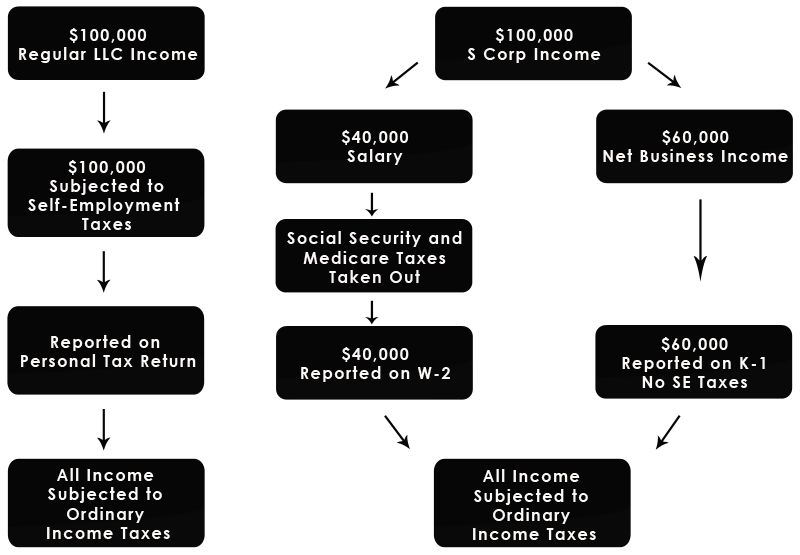
https://wcginc.com/wp-content/uploads/SCorpSavingsChart.png
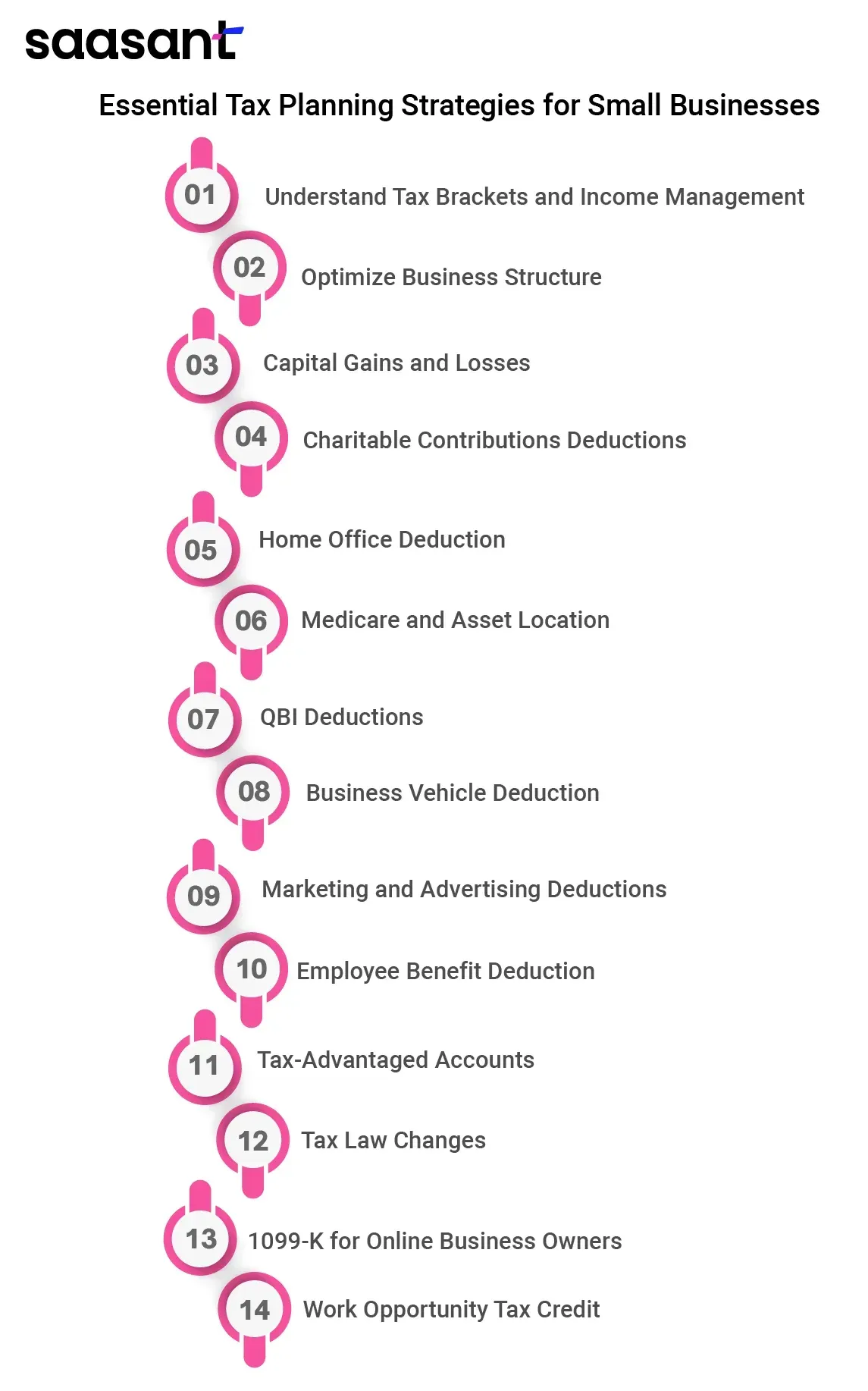
https://images.saasant.info/str_13_b7538b745d.webp
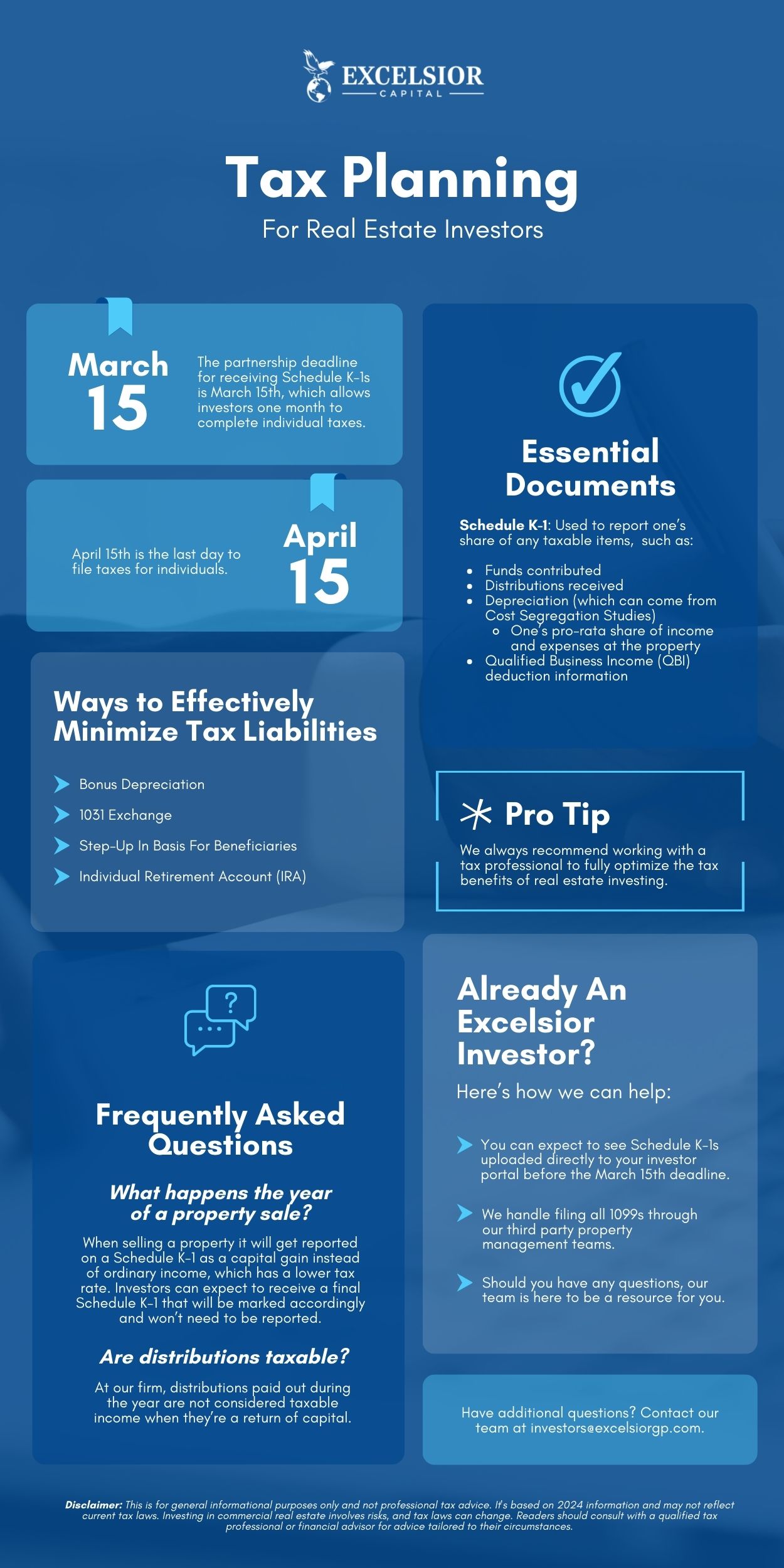
https://www.excelsiorgp.com/wp-content/uploads/2024/02/Tax-Planning-For-Real-Estate-Investors-Infographic.jpg

4

Tax planning may include:

  • Entity structure optimization
  • S-corporation salary vs. distribution analysis
  • Timing of income and expenses
  • Depreciation and asset strategy
  • Retirement contribution planning
  • Health insurance and reimbursement strategy
  • Multi-year tax projections

Good tax planning doesn’t rely on loopholes. It relies on timing, structure, and informed decision-making.


Tax Preparation vs. Tax Planning (Side-by-Side)

Tax PreparationTax Planning
Looks backwardLooks forward
Reports resultsShapes results
Compliance-focusedStrategy-focused
Happens once a yearHappens year-round
Limited savings potentialOften five-figure savings
ReactiveProactive

This difference is why planning fees often feel higher—but result in substantially lower taxes.

The comparison makes it clear why tax preparation is too late to produce meaningful tax savings on its own.


Who Tax Planning Is Best For

These are the situations where business owners quickly realize why tax preparation is too late to address complex tax decisions.

Tax planning is not necessary for everyone. It delivers the most value when income and decisions are complex.

Tax planning is typically ideal for:

  • S-Corporation owners
  • Real estate investors
  • Contractors and service businesses
  • Households earning $150,000+
  • Anyone with fluctuating income or multiple entities

If your tax situation involves decisions—not just reporting—planning usually pays for itself many times over.


Who Probably Does Not Need Tax Planning

We believe clarity builds trust.

Tax planning may not be a good fit if:

  • Your income is strictly W-2
  • You do not own a business or rental property
  • Your tax situation rarely changes year to year
  • You are mainly focused on filing accurately at the lowest cost

In those cases, high-quality tax preparation alone may be sufficient.


Why Timing Matters More Than Most People Realize

Why tax preparation is too late becomes obvious when you understand how many high-impact tax strategies must be decided before December 31.

Many high-impact strategies must be decided before December 31, including:

  • S-corp salary decisions
  • Bonus depreciation elections
  • Retirement contributions
  • Accountable plan reimbursements
  • Income acceleration or deferral

Once the year ends, the tax return simply documents what already happened.

That’s why trying to “fix it on the tax return” is often impossible.


The Bottom Line

The reason why tax preparation is too late is simple: tax returns report decisions, they don’t create them.

Tax preparation tells you what you owe.
Tax planning helps determine what you should owe.

CPA Insight:
The most expensive time to ask for tax advice is after the return is being prepared. By then, strategy has already been replaced by reporting.

If you only speak with your CPA once a year, you are likely making tax decisions unintentionally—and paying more than necessary as a result.

Tax planning isn’t about aggressive tactics.
It’s about making informed decisions before it’s too late.


Want to Know If Tax Planning Makes Sense for You?

If you own a business, real estate, or have rising income, proactive tax planning may be one of the highest-ROI decisions you can make.

The right strategy doesn’t start with a tax return—it starts with a conversation.

Frequently Asked Questions

What is the main difference between tax preparation and tax planning?

Tax preparation focuses on accurately filing tax returns based on what already happened during the year. Tax planning focuses on making proactive decisions before and during the year to legally reduce taxes. In short, tax preparation reports results, while tax planning shapes them.


Is tax planning worth the cost for small business owners?

For many small business owners, yes. Tax planning often identifies savings opportunities related to entity structure, payroll strategy, depreciation, retirement contributions, and timing of income and expenses. When income exceeds a certain level or involves a business or rental activity, the tax savings from planning frequently exceed the cost of the service.


Can my CPA still help me reduce taxes if it’s already tax season?

Once the year has ended, most major tax-saving opportunities are no longer available. During tax season, a CPA can ensure accurate reporting and apply any remaining elections, but they generally cannot change key decisions such as salary levels, entity structure, or timing of income. That’s why proactive planning before year-end is critical.

Filed Under: Business Tax, Individual Tax, Small Business, Tax Planning Tagged With: CPA advisory services, proactive tax planning, S corporation tax planning, tax planning vs tax preparation, year end tax planning

S-Corporation Tax Planning Strategies: 7 Costly Mistakes Owners Make

January 4, 2026 by Steve Madsen

Written by Steve Madsen, CPA — licensed since 1993.

S-Corporation tax planning strategies illustrated with business owners reviewing payroll, distributions, and tax planning mistakes
S-Corporation tax planning strategies help business owners avoid costly payroll, distribution, and retirement planning mistakes before year-end.

S-Corporation tax planning strategies are one of the most powerful tools business owners have to reduce payroll and income taxes. If you own an S-Corporation, proactive planning isn’t optional — it determines how much of what you earn you actually keep.

Yet many profitable S-Corporation owners unknowingly overpay thousands in taxes each year because planning happens after the year ends.

CPA Insight:
S-Corporation tax savings are created by how payroll, distributions, and benefits are structured during the year — not by how the return is filed afterward.

Below are seven overlooked S-Corporation tax planning strategies, why they matter, and what proactive business owners should do instead.

For Utah-based S-Corporation owners, payroll, distributions, and retirement planning often affect both federal and state tax exposure, making early coordination especially important.


What Are S-Corporation Tax Planning Strategies?

S-Corporation tax planning strategies involve proactively structuring payroll, distributions, deductions, and timing decisions throughout the year to legally reduce income and payroll taxes for business owners.

Unlike tax preparation, which reports what already happened, tax planning focuses on decisions made before year-end — when they still matter.

CPA Insight:

Most S-Corporation tax mistakes don’t happen because owners do the wrong thing — they happen because decisions are made too late to fix.


1. Reasonable Salary Is Not a Guess — It’s a Strategy

One of the most common S-Corporation mistakes is setting payroll without documentation or logic.

Why it matters

Your salary determines:

  • Social Security and Medicare taxes
  • IRS audit exposure
  • Whether distributions remain tax-advantaged

What to do instead

A reasonable salary should be based on:

  • Role performed
  • Time spent in the business
  • Comparable market wages
  • Business profitability

CPA Insight:
A reasonable salary is not about minimizing payroll taxes — it’s about defensible documentation that aligns compensation with the work performed.

These S-Corporation tax planning strategies are part of a broader proactive tax planning approach that focuses on decisions made before year-end.

👉 Fix: Document your salary annually and adjust it as profits change — especially after growth years.


2. Distributions Without Planning Can Backfire

Yes, S-Corporation distributions avoid payroll tax — but only after reasonable salary rules are met.

Common mistake

Owners take distributions without reviewing:

  • Year-to-date profits
  • Payroll timing
  • Estimated tax obligations

Smarter approach

Distributions should be coordinated with:

  • Payroll planning
  • Quarterly estimated taxes
  • Cash-flow forecasts

CPA Insight:
Distributions work best when they are planned alongside payroll and estimated taxes, not taken randomly throughout the year.

👉 Fix: Treat distributions as part of a tax plan, not just cash withdrawals.


3. Retirement Contributions Are Often Timed Wrong

Many S-Corporation owners miss out on tens of thousands in deductions simply due to poor timing.

Common issues

  • Solo 401(k) employee vs. employer contributions misunderstood
  • W-2 wages set too low to support employer contributions
  • Contributions made from the wrong account

Many owners misunderstand Solo 401(k) contribution limits, which depend on W-2 wages and employer contribution rules.

These S-Corporation tax planning strategies only work when payroll, timing, and retirement decisions are coordinated before year-end.

CPA Insight:
Most missed retirement deductions in S-Corporations are caused by payroll decisions made too late, not by contribution limits.

👉 Fix: Coordinate payroll, W-2 wages, and retirement planning before December 31 — not after.

This is why S-Corporation retirement planning only works when payroll, timing, and contributions are coordinated before year-end.


4. Health Insurance Is Frequently Deducted Incorrectly

S-Corporation health insurance rules are very specific.

Common problems

  • Premiums paid personally instead of through payroll
  • Incorrect W-2 reporting
  • Missed above-the-line deductions

👉 Fix: Ensure premiums are properly reimbursed or paid by the S-Corporation and reported correctly on your W-2.


5. Home Office Deductions Are Often Handled the Wrong Way

Many owners either:

  • Skip the deduction entirely, or
  • Take it incorrectly as a Schedule C deduction

Better method

For S-Corporations, accountable plan reimbursement is often superior:

  • IRS-compliant
  • Cleaner documentation
  • No payroll tax impact

👉 Fix: Use a formal accountable plan with documented calculations.


6. Vehicle Deductions Are Frequently Overstated or Underdocumented

Vehicles are a high-audit-risk area when done incorrectly.

Common issues

  • No mileage logs
  • Business use overstated
  • Wrong depreciation method

👉 Fix: Decide annually between:

  • Mileage reimbursement, or
  • Actual expense reimbursement
    —and document business usage consistently.

7. No One Is Looking Ahead to Next Year’s Taxes

The biggest issue?
Most S-Corporation owners only look backward.

CPA Insight:
S-Corporation tax problems rarely come from complexity — they come from waiting until the year is over to make decisions.

True tax planning means:

  • Reviewing current-year projections
  • Adjusting payroll and estimates mid-year
  • Planning deductions intentionally

👉 Fix: Meet with your CPA before year-end to run projections and adjust strategy.

When these decisions are reviewed proactively instead of reactively, S-Corporation tax planning shifts from compliance to control.


Who S-Corporation Tax Planning Is Most Valuable For

Proactive planning delivers the greatest benefit for:

  • Owners earning $150,000+ annually
  • Businesses with consistent or growing profits
  • Service-based businesses and consultants
  • Owners paying themselves W-2 wages
  • Multi-entity or real-estate-adjacent businesses

For many Utah-based S-Corporation owners, these planning decisions directly affect both state and federal tax outcomes, making proactive review especially valuable.


Why S-Corporation Tax Planning Strategies Matter

S-Corporations don’t fail tax-wise because of complexity — they fail because decisions are made too late.

At Madsen and Company, we specialize in:

  • Proactive S-Corporation tax planning services
  • Small business advisory
  • Year-round strategy — not just tax prep

S-Corporation Tax Planning FAQs

Do S-Corporation owners really need tax planning?

Yes. Many S-Corporation tax benefits depend on decisions made during the year, not at filing time.

Can tax planning still help if my S-Corporation is already profitable?

Often yes. Payroll optimization, retirement planning, and timing strategies can significantly reduce taxes even for established businesses.

When should S-Corporation owners start tax planning?

Ideally early in the year, with check-ins before mid-year and year-end to adjust strategy.


Want to Know What You’re Missing?

If you own an S-Corporation and want clarity on:

  • Reasonable salary
  • Distributions
  • Retirement planning
  • Reducing unnecessary payroll and income taxes

👉 Schedule a proactive tax planning review and find out where opportunities may exist before the year ends.


About Madsen and Company

Madsen and Company helps small business owners turn complex tax rules into clear, proactive strategies — so taxes stop being a surprise and start becoming a plan.

Filed Under: Business Tax, Small Business, Tax Planning Tagged With: proactive tax planning, reasonable salary, S corporation tax planning, small business CPA

  • « Go to Previous Page
  • Page 1
  • Page 2

Primary Sidebar

Search

Archives

  • February 2026
  • January 2026
  • December 2025
  • November 2025
  • July 2025
  • May 2025
  • April 2025
  • March 2025
  • January 2025
  • August 2024
  • July 2024
  • June 2024
  • February 2024
  • January 2024
  • November 2023
  • August 2023
  • March 2023
  • February 2023

Categories

  • Business Best Practices
  • Business Tax
  • Individual Tax
  • Real Estate
  • Retirement
  • S-Corporation Tax
  • Small Business
  • Small Business Taxes
  • Tax Deadlines & Compliance
  • Tax Planning
  • Uncategorized

Copyright © 2026 · https://www.madsencpa.com/blog