• Skip to main content
  • Skip to primary sidebar

  • Home
  • About
  • Contact

small business taxes

Why Tax Season Is the Worst Time to “Start” Tax Planning

February 5, 2026 by Steve Madsen

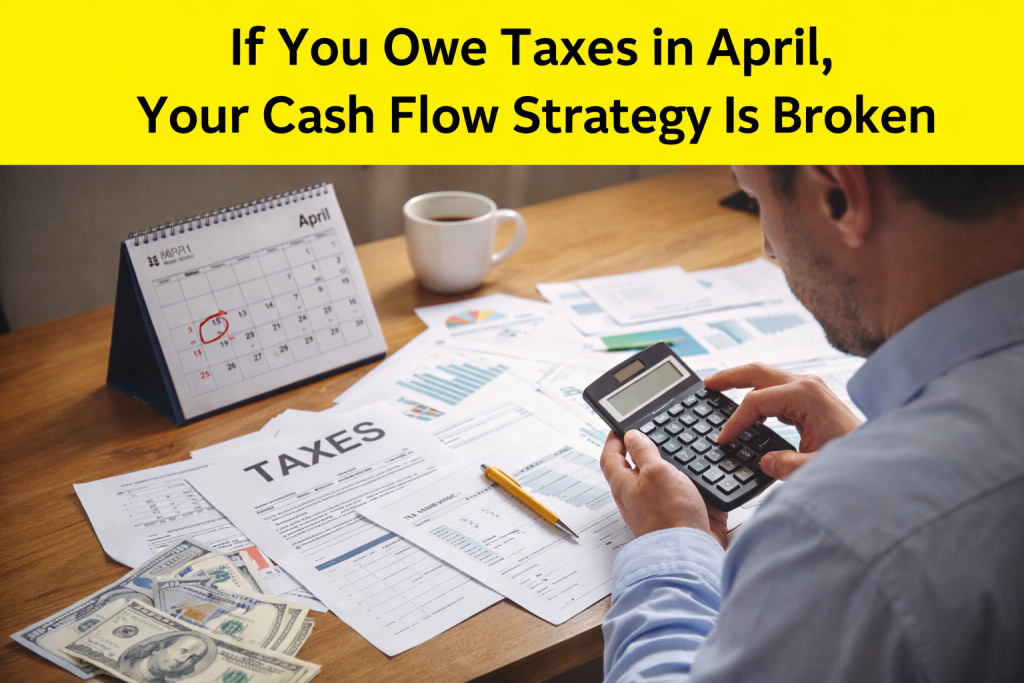
Business owner reviewing finances early in the year, illustrating why tax season is the worst time to start tax planning
Tax season focuses on reporting the past — proactive tax planning happens before deadlines arrive.

Tax planning timing matters more than most business owners realize. Tax season is when many people start thinking about strategy, but it’s also when most tax-saving opportunities are already gone.

By the time January through April arrives, the decisions that could have made the biggest difference for the prior year have already been locked in. That’s why tax season is often the worst time to start tax planning, even though it feels like the most logical moment to ask questions.

Why Doesn’t Tax Season Allow Real Planning?

During this period, the focus shifts to reporting what already happened.

Once the calendar year ends, your CPA’s role shifts from strategic advisor to compliance specialist. The work becomes about accurately documenting the past, not shaping the future.

During tax season, the focus is on:

  • Accurately reporting income and expenses
  • Filing required federal and state tax returns
  • Applying any elections that are still available
  • Ensuring IRS and state compliance

At that point, your tax return is a historical document, not a planning tool.

What Tax Decisions Are Usually Locked In After December 31?

Most high-impact tax decisions must be made before the year ends.

After December 31, many of the strategies that could significantly reduce your taxes are no longer on the table.

Common examples include:

  • S-Corporation salary levels
  • Timing of income and expenses
  • Bonus depreciation and Section 179 elections
  • Retirement contribution structure
  • Accountable plan reimbursements
  • Health insurance handling for owners

Because of this, waiting until tax season often means reviewing missed opportunities rather than creating new ones.

What Is January Actually Good For?

January is ideal for reviewing results and preparing for proactive planning — not fixing the past.

While tax season limits what you can change about the prior year, it provides valuable insight for the year ahead.

January is best used to:

  • Review the prior year objectively
  • Identify planning opportunities that were missed
  • Set payroll and entity strategy correctly for the new year
  • Adjust estimates before issues compound
  • Build a proactive tax plan early

Smart business owners use January to prepare for planning, not to undo last year.

This is why proactive tax planning timing early in the year makes such a difference.

What’s the Difference Between Tax Filing Season and Tax Planning Season?

Tax filing and tax planning serve very different purposes.

Filing Season

  • Looks backward
  • Emphasizes accuracy and compliance
  • Offers limited ability to change results
  • Often results in surprise balances due

Planning Season

  • Looks forward
  • Shapes outcomes intentionally
  • Happens throughout the year
  • Improves cash flow and predictability

The biggest tax savings are created before tax season — not during it.

Who Should Be Thinking About Tax Planning Early?

Tax planning matters most when your situation involves decisions, not just reporting.

January planning is especially valuable for:

  • S-Corporation owners
  • Business owners with growing profits
  • Service-based businesses and consultants
  • Real estate investors
  • Anyone earning $150,000 or more

If your tax situation includes strategy, structure, or timing, waiting until filing season puts you behind.

Need help with tax preparation this season? Filing is easier when it supports a bigger plan.

What Do Proactive Business Owners Do Differently?

Proactive business owners treat tax planning as a process, not an annual event.

Instead of waiting for a finished tax return, they:

  • Review income projections early
  • Set reasonable S-Corp salaries intentionally
  • Coordinate retirement contributions with payroll
  • Plan deductions throughout the year
  • Adjust estimates before surprises arise

These decisions tie directly into ongoing tax planning, not just tax preparation.

The Bottom Line

Tax planning timing determines whether your tax return reflects strategy or missed opportunity.

If tax season is the first time strategy comes up, opportunities have already been missed. The best outcomes happen when planning starts early and continues throughout the year.

Frequently Asked Questions

Why isn’t tax season the best time to start tax planning?

Because most high-impact tax decisions must be made before the year ends. Tax season is primarily about reporting and compliance, not creating new savings opportunities.

Can a CPA still help reduce taxes during tax season?

A CPA can ensure accuracy and apply limited elections, but major strategies are usually no longer available. Most meaningful savings come from decisions made earlier.

Is January too late to do tax planning?

No, January is ideal for reviewing results and planning for the current year. It’s just too late to change many outcomes for the prior year.

Do small business owners really need year-round tax planning?

Yes, especially if income fluctuates or decisions affect payroll, deductions, or cash flow. One-time planning rarely produces optimal results.

What’s the difference between tax preparation and tax planning?

Tax preparation reports what happened, while tax planning shapes what happens next. Both are important, but they serve different roles.

How Madsen and Company Can Help

At Madsen and Company, we help business owners move beyond reactive tax season thinking and into proactive, year-round tax strategy.

That includes:

  • Strategic tax planning throughout the year
  • Coordinated business and personal tax preparation
  • Clear guidance before deadlines pass

Need tax preparation this season? We ensure your returns are accurate, compliant, and aligned with your overall strategy.

Want to reduce future tax surprises? A proactive tax planning review can help you start the year intentionally — not reactively.

👉 Schedule a Proactive Tax Planning Review

Filed Under: Business Tax, Tax Planning Tagged With: proactive tax planning, Small Business Tax Strategy, small business taxes, South Jordan CPA, tax planning

The S-Corp Deadline Is Closer Than You Think: 5 Things to Do Before March 15

February 1, 2026 by Steve Madsen

March 15 business tax deadline for S-Corporation owners
S-Corporation owners must file by March 15 to avoid IRS penalties and delays.

The March 15 tax deadline is one of the most important — and most misunderstood — deadlines for S-Corporation owners and partnerships.

But for S-Corporations and partnerships, March 15 is often the most important and most misunderstood tax deadline.

Each year, business owners are caught off guard by March 15, assuming they still have time or that filing an extension means nothing is due. That misunderstanding can lead to penalties, rushed decisions, and avoidable stress.

What Is Due on the March 15 Business Tax Deadline?

March 15 is the federal filing deadline for S-Corporations and partnerships, regardless of income or tax owed.

S-Corporations (Form 1120-S)

Partnerships (Form 1065)

This deadline applies whether:

  • you have one owner or multiple owners
  • the business made money or not
  • you ultimately owe tax or not

If your business is required to file, the deadline applies.

The Hidden Cost of Missing March 15

Missing the March 15 business tax deadline can trigger IRS penalties even if no income tax is owed.

One of the biggest misconceptions is that penalties only apply if tax is owed.

For S-Corporations, that’s not true.

If an S-Corp return is late and no extension is filed, the IRS can assess penalties of approximately $245 per shareholder, per month, up to 12 months—even if the business itself owes no income tax.

That means a “harmless delay” can quietly turn into thousands of dollars in penalties.

Filing an Extension Doesn’t Mean Doing Nothing

An extension:

  • gives you more time to file, not more time to plan
  • does not delay taxes owed or required estimated payments
  • still requires reasonable estimates and coordination with personal returns

Waiting until after March 15 to think about the business return often limits your options and forces reactive decisions instead of intentional ones.

What Smart Business Owners Do Before March 15

Proactive business owners use the weeks leading up to March 15 to:

  • Confirm the correct business structure is still working
  • Review profit levels before returns are finalized
  • Ensure S-Corp payroll is reasonable and defensible
  • Coordinate business results with personal tax planning
  • Decide whether filing now or extending makes the most sense

Many of these decisions tie directly into ongoing tax planning, not just tax preparation.

Unsure whether to file or extend? A short planning review before March 15 can clarify your next steps.

The goal isn’t just to meet a deadline—it’s to file returns that reflect deliberate strategy, not last-minute scrambling.

Why March 15 Impacts Your Personal Taxes Too

Business returns don’t exist in a vacuum.

For S-Corp owners and partners, the business return directly affects:

  • personal taxable income
  • estimated tax requirements
  • retirement planning
  • cash flow planning for the year ahead

Rushing the business return often creates downstream issues on the personal side—including surprises in April.

The Bottom Line

March 15 isn’t just a filing date—it’s a decision point.

When business tax returns are treated as a formality instead of part of a broader plan, opportunities get missed and risks increase.

The best outcomes happen when:

  • the business return is handled intentionally
  • deadlines are used strategically
  • and planning happens before options disappear

FAQs

What business tax returns are due on March 15?

March 15 is the federal filing deadline for S-Corporations (Form 1120-S) and partnerships (Form 1065). This deadline applies even if the business has only one owner or did not generate taxable income.

What happens if an S-Corp misses the March 15 deadline?

Missing the March 15 deadline can trigger IRS penalties even if no tax is owed. The IRS may assess penalties of approximately $245 per shareholder, per month, up to 12 months, if no extension is filed.

Does filing an extension delay taxes owed?

No, filing an extension only delays the deadline to file the return, not to pay taxes. Any tax owed must still be paid by the original due date to avoid penalties and interest.

Do single-member S-Corps still have to file by March 15?

Yes, single-shareholder S-Corporations are subject to the same March 15 deadline as multi-owner S-Corps. The filing requirement and penalty structure apply regardless of the number of shareholders.

Can I still make tax planning decisions after March 15?

Most high-impact tax planning decisions must be made before the year ends, not after March 15. While some elections may still be available, key items like payroll levels, income timing, and certain deductions are usually already locked in

Is it better to file or extend an S-Corp return?

Whether to file or extend depends on your business’s income, documentation readiness, and coordination with personal taxes. The best choice is an intentional one based on planning, not a default reaction to timing pressure.

Why does the March 15 deadline affect my personal tax return?

S-Corporation and partnership income flows directly into the owner’s personal tax return. Delays or rushed filings at the business level can create surprises in personal tax liability, estimates, and cash flow planning.

How Madsen and Company Can Help

At Madsen and Company, we help business owners approach the March 15 deadline with clarity—not panic.

That means:

  • understanding what decisions still matter
  • coordinating business and personal tax strategy
  • and ensuring filings support long-term goals, not just compliance

👉 Want to know what decisions matter most right now?

Unsure whether to file or extend? A short planning review before March 15 can clarify next steps.
Schedule a Proactive Tax Planning Review.

Filed Under: Business Tax, Tax Deadlines & Compliance Tagged With: business tax planning, proactive tax planning, S corporation tax planning, Small Business Tax Strategy, small business taxes, South Jordan CPA, tax planning, Utah tax planning

Business Tax Preparation vs Tax Planning: What’s the Difference (and Why It Costs You Money)

January 24, 2026 by Steve Madsen

CPA explaining the difference between tax preparation and tax planning to a small business owner
Understanding the difference between tax preparation and tax planning helps business owners make smarter financial decisions.

Most business owners assume tax preparation and tax planning are the same thing. In reality, they serve very different purposes — and confusing the two is one of the main reasons small business owners overpay in taxes.

On one hand, tax preparation focuses on reporting what already happened. On the other hand, tax planning focuses on shaping what will happen next.

Because these two services work at different stages of the year, understanding the distinction can save thousands of dollars and prevent costly surprises.

What Is Business Tax Preparation?

In simple terms, business tax preparation is the process of:

Tax preparation looks backward. It records income, expenses, and deductions for a year that has already ended.

Common examples of tax preparation include:

  • Filing Form 1120-S for an S-Corporation
  • Filing Schedule C for a sole proprietor
  • Filing partnership returns
  • Preparing W-2s and 1099s
  • Submitting extensions

Tax preparation answers the question:
“What do I owe based on what already happened?”


What Is Business Tax Planning?

By contrast, tax planning is the process of making intentional financial and business decisions to reduce future tax liability.

It focuses on:

  • Structuring income and expenses
  • Choosing the right business entity
  • Timing deductions and purchases
  • Managing payroll and owner compensation
  • Coordinating retirement and benefit strategies

Tax planning looks forward. It influences future tax results before the year is over.

Common examples of tax planning include:

  • Setting reasonable S-Corporation salary levels
  • Planning retirement contributions
  • Timing equipment purchases
  • Structuring health insurance benefits
  • Using accountable plans
  • Managing income timing

Tax planning answers the question:
“What should I do now to legally reduce my taxes later?”


Why Tax Season Is the Worst Time to Start Tax Planning

By the time tax season arrives, many important financial decisions have already been made.

For example, income has already been earned, payroll choices are locked in, and most deductions are limited. In addition, entity structures and benefit elections are usually fixed by year-end.

At that stage, your CPA can still report results, apply limited elections, and ensure compliance. But business owners must implement most major tax-saving strategies before the year ends. Once December 31 passes, many planning opportunities disappear.

That is why tax season is often the most expensive time to ask tax planning questions..


How Business Owners End Up Overpaying in Taxes

Business owners often overpay when they treat tax preparation as tax planning.

For instance, many meet with a CPA only once per year, make financial decisions without tax guidance, or wait until filing time to ask questions. As a result, opportunities to reduce taxes are frequently missed.

Without proactive planning, income is taxed inefficiently, deductions are overlooked, and entity structures go unreviewed. Over time, this leads to reduced cash flow and more tax surprises.

Although filing a tax return ensures compliance, it does not automatically minimize taxes.t automatically minimize taxes.


Why Smart Business Owners Use Both

In practice, tax preparation and tax planning work best when they are used together.

First, tax preparation ensures accuracy, maintains compliance, and files the required forms. In contrast, tax planning reduces future tax liability, supports business decisions, improves cash flow, and creates predictability.

Rather than replacing tax preparation, tax planning builds on it. In other words, filing the return becomes part of a larger strategy instead of a one-time event..


Which One Do You Need Right Now?

Generally, you likely need tax preparation if you:

  • Have not filed your return yet
  • Need help meeting IRS deadlines
  • Own a business that must file this season

You likely need tax planning if you:

  • Want to reduce next year’s taxes
  • Own an S-Corporation
  • Own rental or short-term rental property
  • Expect income growth
  • Want fewer tax surprises

Most business owners start with tax preparation and later realize tax planning would have helped earlier.


Our Approach

At Madsen and Company, we view tax preparation as the execution phase of a larger plan.

We help business owners:

  • File accurate returns
  • Understand their financial results
  • Identify planning opportunities
  • Make informed tax decisions going forward

Our goal is not just to file your return.
Our goal is to help you stop overpaying in future years.


Frequently Asked Questions

Q1: Is tax preparation the same as tax planning?

No. Tax preparation reports past results. Tax planning helps shape future tax outcomes.

Q2: Can a CPA do tax planning during tax season?

Limited planning can be done, but most major strategies must be implemented before year-end.

Q3: Do I need tax planning if I already file a tax return?

Filing a return does not reduce taxes. Planning is what reduces future tax liability.

Q4: Is tax planning only for large businesses?

No. Small business owners and S-Corporation owners often benefit the most.

Q5: When should I start tax planning?

Tax planning should be done throughout the year, not just during tax season.

Ready to Get Started?

If you need help filing your business return, we can help you get compliant and meet your deadlines.

If you want to reduce what you pay in future years, we can help you build a proactive tax strategy.

Schedule a Tax Preparation Consultation
Learn About Our Tax Planning Services

Filed Under: Business Tax, Tax Planning Tagged With: CPA, S-Corporation, small business taxes, tax planning

Primary Sidebar

Search

Archives

  • February 2026
  • January 2026
  • December 2025
  • November 2025
  • July 2025
  • May 2025
  • April 2025
  • March 2025
  • January 2025
  • August 2024
  • July 2024
  • June 2024
  • February 2024
  • January 2024
  • November 2023
  • August 2023
  • March 2023
  • February 2023

Categories

  • Business Best Practices
  • Business Tax
  • Individual Tax
  • Real Estate
  • Retirement
  • S-Corporation Tax
  • Small Business
  • Small Business Taxes
  • Tax Deadlines & Compliance
  • Tax Planning
  • Uncategorized

Copyright © 2026 · https://www.madsencpa.com/blog